
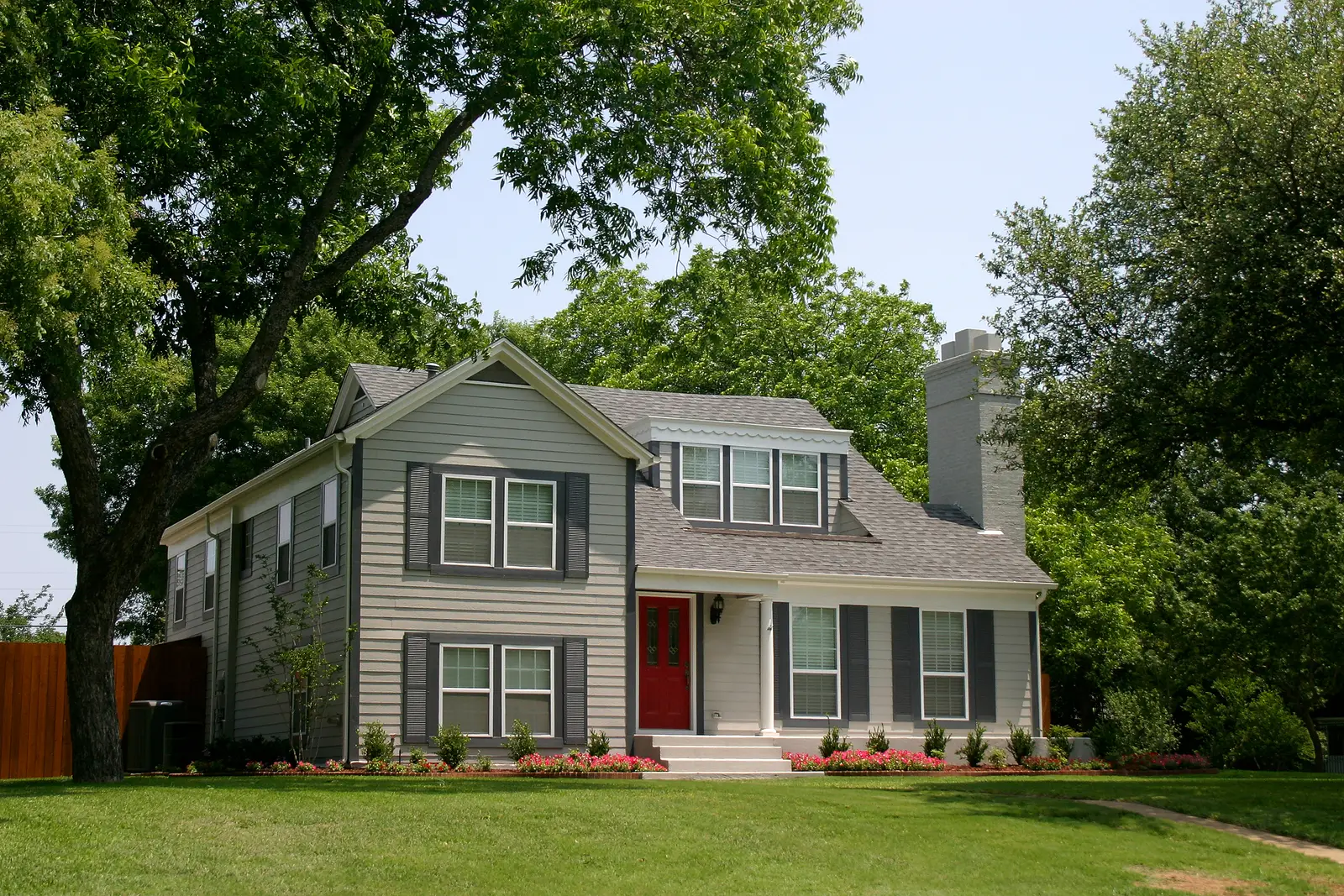
A rental experience in Winston-Salem often feels more manageable when early decisions align with how residents actually live, and guidance around choosing strong assets plays a big role in shaping that outcome. Some properties quietly fit into daily routines, while others demand constant attention through shared systems and overlapping schedules. Single-family homes tend to reduce those pressure points before they ever become late-night messages or urgent vendor coordination.
Demand for detached living continues to reinforce that preference. National data shows the median existing single-family home price reached $426,800 in the third quarter of 2025, reflecting how strongly space and privacy still influence housing decisions. In Winston-Salem, renters express similar priorities, making single-family rentals a steady choice for residential owners focused on smoother operations and long-term consistency.
Key Takeaways
- Single-family homes limit shared-space friction, reducing daily operational interruptions.
- Private layouts and outdoor areas often encourage longer tenant stays.
- Detached rentals compete by neighborhood rather than identical units.
- Maintenance planning stays clearer without shared infrastructure.
- Flexible financing and risk clarity support gradual residential growth.
Privacy That Keeps Small Issues From Snowballing
Privacy often becomes the first noticeable difference when comparing detached homes to denser housing. This section matters because many recurring management issues start with shared environments rather than the home itself.
Fewer overlapping lifestyles
Shared walls, stairwells, and common parking areas can magnify everyday habits into ongoing disputes. Detached homes eliminate many of those touchpoints. When residents aren’t navigating each other’s routines, communication stays calmer and issues remain easier to resolve.
Clearer responsibility boundaries
Without common hallways or amenities, responsibility lines stay simple. Lighting, noise, and access concerns usually stay contained within one household, which helps maintain predictable routines.
At PMI of the Triad, our residential focus keeps attention on how property design affects real workload, not just projected returns.
Outdoor Space That Encourages Lease Stability
Outdoor access plays a meaningful role in rental satisfaction, especially in a city where residents value everyday livability. Single-family homes offer space tenants can use freely, without shared rules or scheduling conflicts.
Practical features renters value
Private yards, porches, and driveways create breathing room that renters notice immediately. That added comfort often translates into better care of the home and fewer move-outs driven by lifestyle frustration.
Outdoor elements that tend to support renewals include:
- Yards that feel functional rather than decorative
- Off-street parking that reduces daily congestion
- Covered outdoor areas that extend living space
This sense of personal space can make detached homes harder to give up once renters settle in.
Floor Plans That Adjust as Life Changes
This section matters because many lease endings happen when a space stops working, not when the tenant is unhappy. Single-family layouts often prevent that disconnect.
Adaptable interior space
Extra bedrooms or defined living areas allow homes to evolve with changing needs, whether that’s remote work, family growth, or shared living arrangements. When residents can adapt within the home, turnover slows naturally.
Broader household appeal
Detached homes accommodate a wider range of renters than typical apartment layouts. Families, professionals, and multigenerational households often find it easier to settle long-term in a flexible floor plan.
Owners planning for sustained performance often evaluate layouts alongside profitable rental strategies, which helps align livability with retention goals.
Pricing Confidence Without Internal Competition
Pricing stress often comes from competing against identical inventory. This section matters because multifamily properties frequently create that scenario by design.
Why pricing pressure builds faster in multifamily
When similar units turn over at the same time, owners may feel forced to react quickly with concessions. That reaction can ripple across the building, tightening margins and increasing leasing pressure.
Neighborhood-driven value in detached homes
Single-family rentals compete at the neighborhood level. Factors like curb appeal, parking, yard usability, and school access become real differentiators. Owners can adjust pricing thoughtfully without feeling boxed into side-by-side comparisons.
These dynamics align with national rental trends showing single-family rents running 20% higher than multifamily rents, reinforcing the pricing flexibility detached homes can offer.
Maintenance That Stays Predictable
Maintenance planning becomes far more manageable when repairs affect only one household. This section matters because shared systems often turn minor issues into time-sensitive disruptions.
Contained repairs reduce coordination
Plumbing, HVAC, and electrical systems in single-family homes typically serve one residence. That containment limits access coordination and keeps scheduling straightforward.
Budgeting with fewer surprises
Predictability supports clearer reserve planning. Owners comparing properties or modeling upgrades often rely on tools like an investment return snapshot to keep decisions grounded in realistic expectations.
Risk and Insurance Simplicity
Risk planning tends to feel cleaner when liability exposure is easy to define. This section matters because shared areas can blur responsibility during incidents.
Reduced shared-liability exposure
Detached homes usually involve one entry, one household, and fewer shared hazards. That clarity makes it easier to evaluate coverage needs and reduce gray areas.
Smaller impact when issues arise
When problems occur, they’re less likely to affect multiple residents at once. That containment helps limit disruption and supports smoother resolution.
Financing and Growth That Follow Your Timeline
Residential investors often prefer growth that feels controlled rather than rushed. This section matters because single-family homes allow portfolios to expand at a comfortable pace.
Gradual acquisition flexibility
Adding properties one at a time gives owners space to adjust strategy as results come in. Financing conversations often start with resources like financing considerations to set realistic expectations.
Support after the first purchase
Growth doesn’t stop after acquisition. Owners benefit from planning around what comes next, and guidance on next ownership steps helps keep decisions aligned with long-term goals.
Operational Benefits That Accumulate Over Time
Some advantages only reveal themselves after months of ownership. This section matters because consistency often matters more than speed.
Fewer reactive moments
Detached homes generate fewer neighbor-related concerns, which simplifies communication and reduces emotional escalation during routine requests.
Stronger resident pride
Private space often encourages renters to treat the home with greater care. That pride can lead to smoother inspections and easier turnovers when they eventually move.
Fit with Winston-Salem demand
Residents drawn to Winston-Salem often value stability, community access, and everyday comfort. Single-family homes align naturally with those preferences.
Cleaner decision-making
With fewer shared variables, owners maintain tighter control over pricing, maintenance, and long-term planning.
FAQs about Single Family Homes in Winston-Salem, NC
How do single-family homes affect day-to-day communication with tenants?
Detached homes often reduce tenant outreach related to neighbor conflicts or shared spaces, which can result in clearer communication, fewer escalations, and more straightforward maintenance conversations throughout the lease term.
Are single-family rentals better suited for long-term leasing in Winston-Salem?
Many renters choosing single-family homes plan to stay longer due to layout flexibility, privacy, and neighborhood stability, which can help owners reduce turnover frequency and maintain more consistent occupancy.
What role does neighborhood location play for single-family rentals?
Proximity to schools, local services, and commuter routes often carries more weight for detached homes, since renters evaluate the full living environment rather than just the unit itself.
Do single-family homes allow more flexibility in setting rental terms?
Owners often have more room to tailor lease terms, pet policies, and pricing based on property-specific features instead of conforming to standardized rules common in larger buildings.
How do single-family homes influence future portfolio planning?
Because each property operates independently, owners can adjust strategy one home at a time, making it easier to test improvements, respond to demand shifts, and plan gradual portfolio growth.
A More Measured Path to Residential Growth
Ownership feels different when operations stay predictable and decisions remain clear. Single-family homes often support that balance by reducing shared-space friction and aligning with how Winston-Salem residents want to live.
PMI of the Triad works exclusively with residential owners who value clarity and long-term performance. Build your Winston-Salem buying strategy by connecting with us today!
